Blog
Hydronic Heating vs. Forced Air Pros and Cons for Cold Climates
Winter in a cold climate can be brutal if your heating system isn’t up to the task. That’s why choosing between hydronic (radiant) heating and forced air matters. Both can keep a house warm, but they do it very differently—and the choice can affect comfort, bills, and even air quality.
Hydronic Heating: Warmth You Can Feel
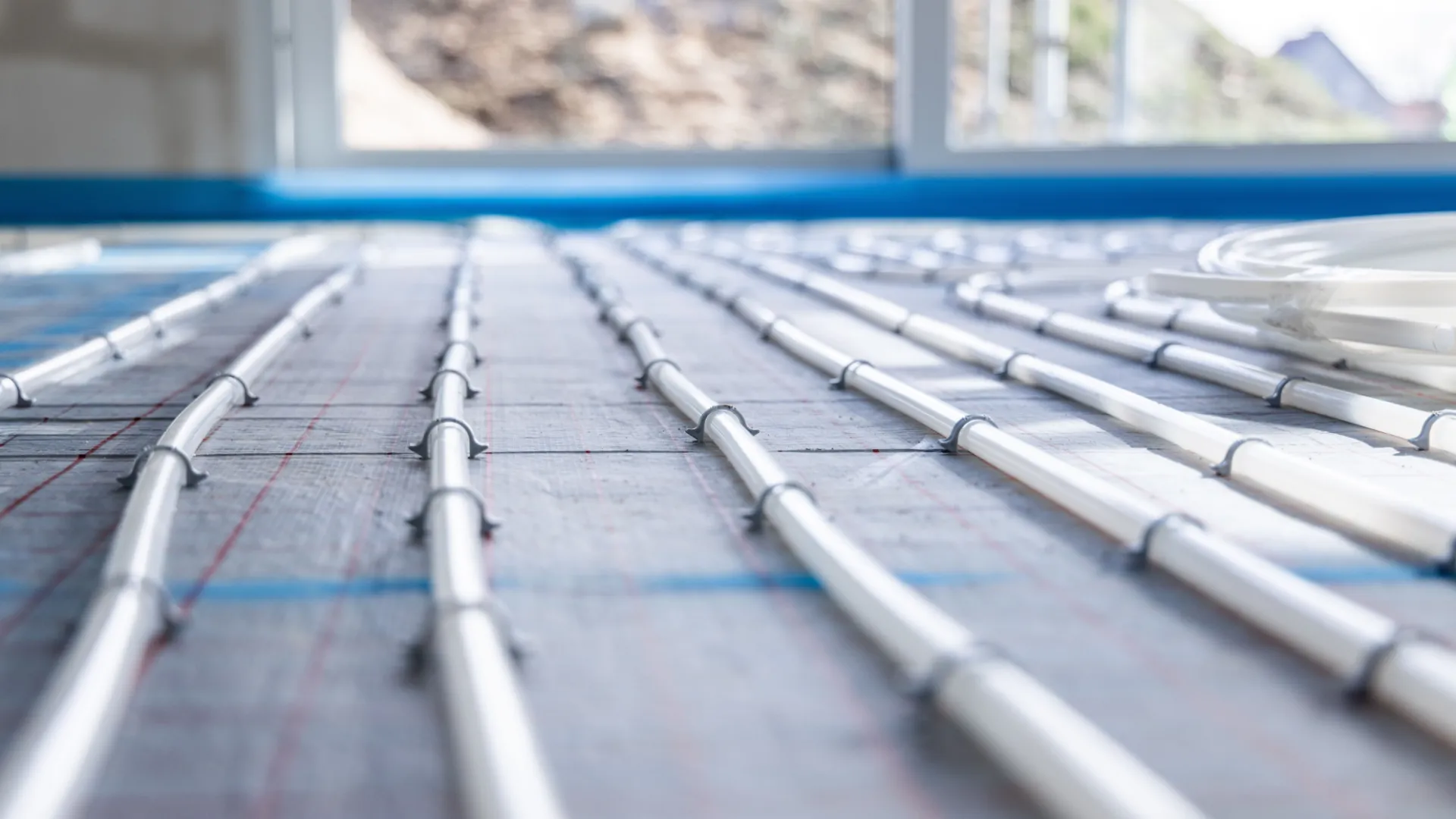
Hydronic systems heat water in a boiler and circulate it through pipes to radiators , baseboards, or in-floor tubing . The heat radiates naturally, so rooms warm evenly and quietly.
Why some people love it in cold climates:
- Even heat – no freezing corners or drafty spots.
- Energy efficiency – water holds heat better than air, so it doesn’t need to run all the time.
- Quiet – forget blower fans and vent noise.
- Cleaner air – less dust blowing around your home.
What to keep in mind:
- Installation isn’t cheap – especially in older homes where you have to retrofit.
- Slower to heat up – don’t expect instant warmth in a frozen room.
- No cooling – you’ll need a separate AC system for summer.
Hydronic works best in bigger homes or situations where ductwork is tricky—or if you just really want steady, comfortable heat.
Forced Air: Fast Heat, More Familiar
Forced air systems heat air in a furnace or heat pump and blow it through ducts. Most people know how this works because it’s common. It’s fast and can pair with AC, so you get year-round comfort.
Why it’s popular:
- Heats quickly – rooms warm almost immediately.
- Lower upfront cost – easier and cheaper to install than hydronic.
- AC-ready – add central air and you’re set for summer too.
Watch out for:
- Uneven heating – some rooms may heat faster than others.
- Dust and allergens – they circulate through the ducts.
- Noise – blowers aren’t exactly silent.
Forced air is great if your home already has ductwork, if you want fast heat, or if budget matters more than long-term efficiency.
Which One Should You Choose?
There’s no perfect answer, really. Think about:
- How cold it gets – hydronic is ideal in extreme cold; forced air can work, but you might need backup heat.
- Energy costs – hydronic usually saves more in the long run.
- Your house setup – adding ducts or pipes can be a big job.
- Maintenance – hydronic tends to have fewer moving parts, so less to worry about.
Need Help Figuring It Out?
Metalworks supplies hydronic boilers , heat pumps, and everything in between, plus advice if you’re unsure what works best. Choosing the right system makes winter much more comfortable—so don’t leave it to guesswork. Give us a call, and we’ll help you pick the solution that keeps your clients or home warm when it really counts.
MORE ARTICLES
Custom Sheet Metal Solutions: When Off-the-Shelf Won’t Cut It

Top HVAC Maintenance Mistakes and How to Avoid Them
Gas, Electric or Hybrid for HVAC and Hydronic Systems: What to Expect for the Next Five Years
Multiple Locations to Serve You Faster
Pick up the same day.
VAUGHAN
155 New Huntington Rd
Vaughan, Ontario
RICHMOND HILL
100 Granton Dr. #3
Richmond Hill, Ontario
CAMBRIDGE
320 Pinebush Rd, Unit 10
Cambridge, Ontario
BRADFORD
207 Stirling Cres.
Bradford, Ontario