Blog
The Role of HVAC Systems in Indoor Air Quality: What You Need to Know
Your HVAC system does more than heat and cool—it plays a critical role in indoor air quality (IAQ). Here’s how your system affects the air you breathe, and what you can do to improve it.
1. Filtration Removes Allergens and Pollutants
High-quality air filters capture dust, pet dander, pollen, and even airborne bacteria. Upgrading your filter is one of the simplest ways to enhance IAQ.
2. Ventilation Reduces Moisture and Contaminants
A properly balanced HVAC system brings in fresh outdoor air and expels stale indoor air, reducing the risk of mould and indoor pollutants.
3. Humidity Control Keeps Air Healthy
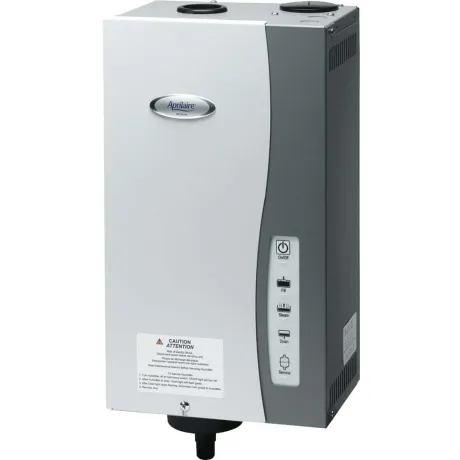
HVAC systems can regulate indoor humidity levels. Too much moisture breeds mould; too little causes respiratory discomfort.
4. UV Lights and Air Purifiers Boost IAQ
Advanced HVAC add-ons like UV germicidal lights and whole-home purifiers offer another layer of protection against viruses and bacteria.
5. Regular Maintenance Prevents Build-Up
Dust and debris inside your ducts or HVAC unit can compromise air quality. Schedule regular cleaning and inspections.
A well-maintained HVAC system ensures not just comfort—but a healthier home.
MORE ARTICLES

Why Sourcing from a Specialized HVAC & Hydronics Wholesaler Saves You Time and Money
Do Cold Climate Heat Pumps Make Sense for Southern Ontario?
Gas, Electric or Hybrid for HVAC and Hydronic Systems: What to Expect for the Next Five Years
Multiple Locations to Serve You Faster
Pick up the same day.
VAUGHAN
155 New Huntington Rd
Vaughan, Ontario
RICHMOND HILL
100 Granton Dr. #3
Richmond Hill, Ontario
CAMBRIDGE
320 Pinebush Rd, Unit 10
Cambridge, Ontario
BRADFORD
207 Stirling Cres.
Bradford, Ontario