Blog
Why Are A2L Refrigerants Better for the Environment and the Future of the HVAC Industry?
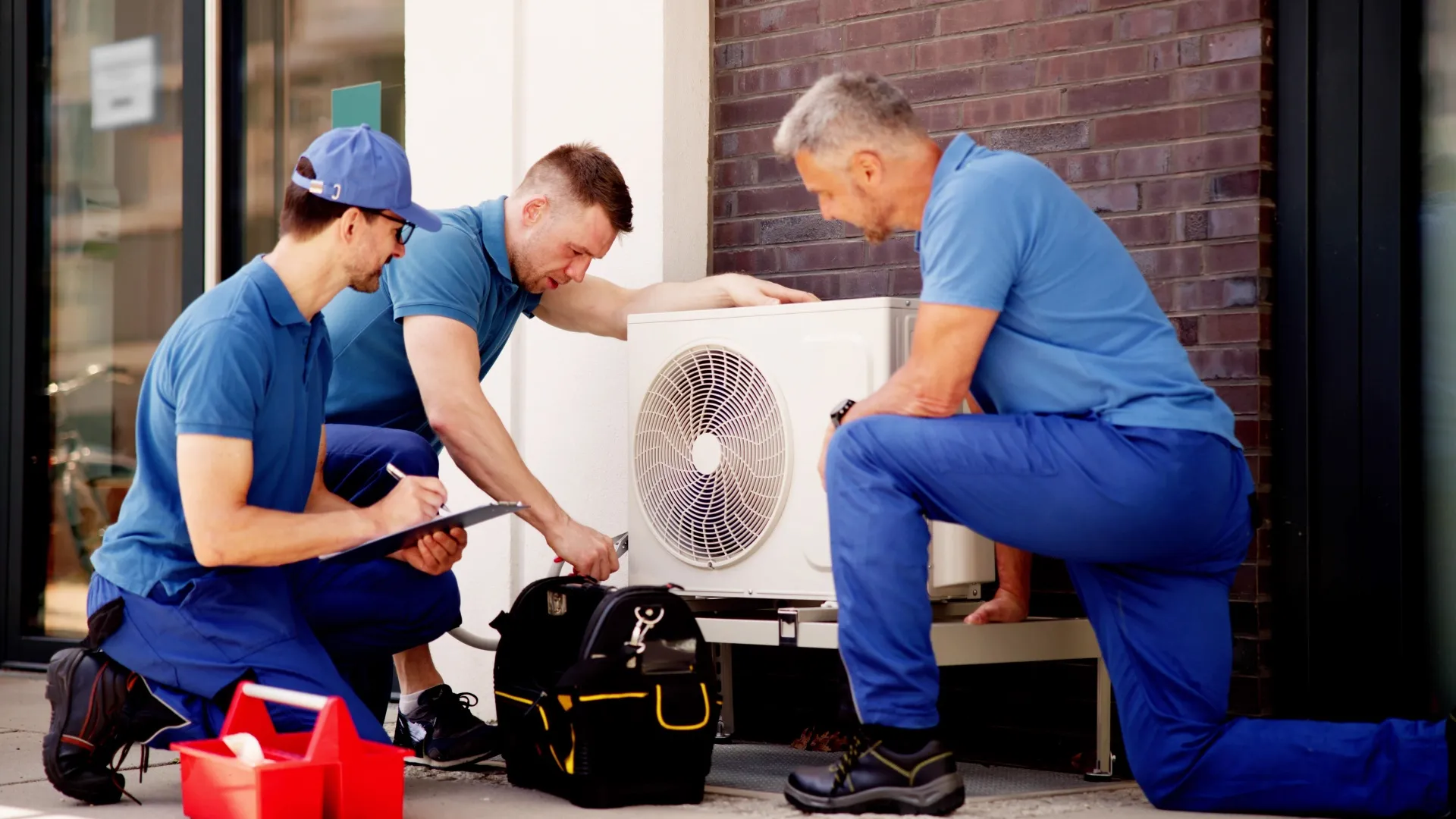
As the HVAC industry undergoes a significant transition toward sustainability, A2L refrigerants are emerging as a key solution for reducing environmental impact. These low-GWP refrigerants are designed to replace traditional options while maintaining efficiency and performance.
Benefits of A2L Refrigerants
A2L refrigerants offer several advantages over traditional options, including improved energy efficiency and a reduced environmental footprint. Unlike high-GWP refrigerants, A2Ls contribute less to global warming while maintaining cooling performance. They also have better thermodynamic properties, making HVAC systems more efficient while reducing energy consumption and operational costs.
The Environmental Impact of A2L
Eco-friendly HVAC refrigerants, such as HFO-based A2Ls, have a significantly lower impact on climate change. As the HVAC industry faces increased scrutiny regarding its carbon footprint, transitioning to sustainable cooling solutions becomes imperative. A2L refrigerants help meet global climate goals by offering a safer and more sustainable alternative to HFCs and other high-GWP refrigerants.
A2L vs Traditional Refrigerants
Compared to older refrigerants like R-410A, A2Ls have a significantly lower GWP and are designed to meet upcoming refrigerant regulations in 2025. While A2Ls are classified as mildly flammable, advancements in system design and safety measures mitigate risks. Their adoption aligns with industry efforts to transition toward sustainable practices while ensuring compliance with new environmental policies.
The Future of HVAC Refrigerants
The HVAC industry is rapidly evolving, and the integration of A2L refrigerants is a crucial step toward long-term sustainability. Contractors and businesses must prepare for this transition by staying informed about regulatory changes and adopting A2L-compatible systems. As governments worldwide push for lower carbon emissions, A2L refrigerants will play a central role in shaping the future of the HVAC industry.
MORE ARTICLES
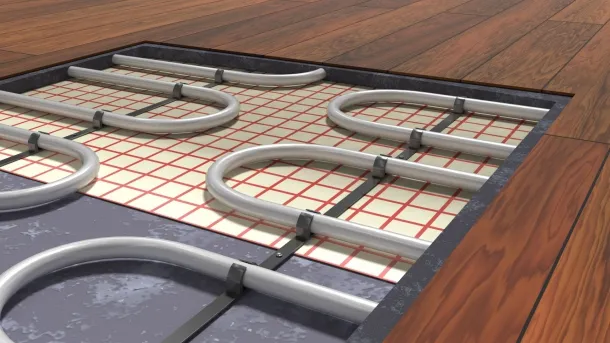
When Are Radiant Tube Heaters the Right Choice for Your Commercial Application?
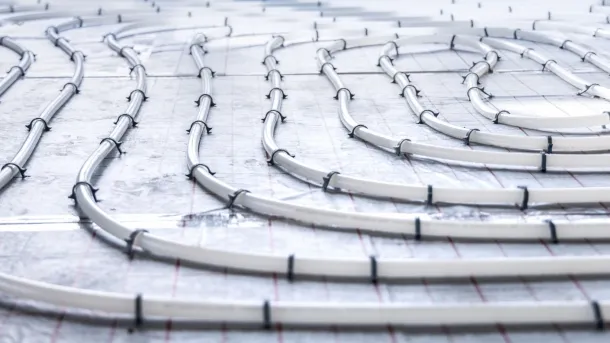
Gas, Electric or Hybrid for HVAC and Hydronic Systems: What to Expect for the Next Five Years
Custom Sheet Metal Fabrication – Lost Art or Essential HVAC Skill?
Multiple Locations to Serve You Faster
Pick up the same day.
VAUGHAN
155 New Huntington Rd
Vaughan, Ontario
RICHMOND HILL
100 Granton Dr. #3
Richmond Hill, Ontario
CAMBRIDGE
320 Pinebush Rd, Unit 10
Cambridge, Ontario
BRADFORD
207 Stirling Cres.
Bradford, Ontario