Blog
How to Future-Proof Your HVAC and Hydronics Contracting Business
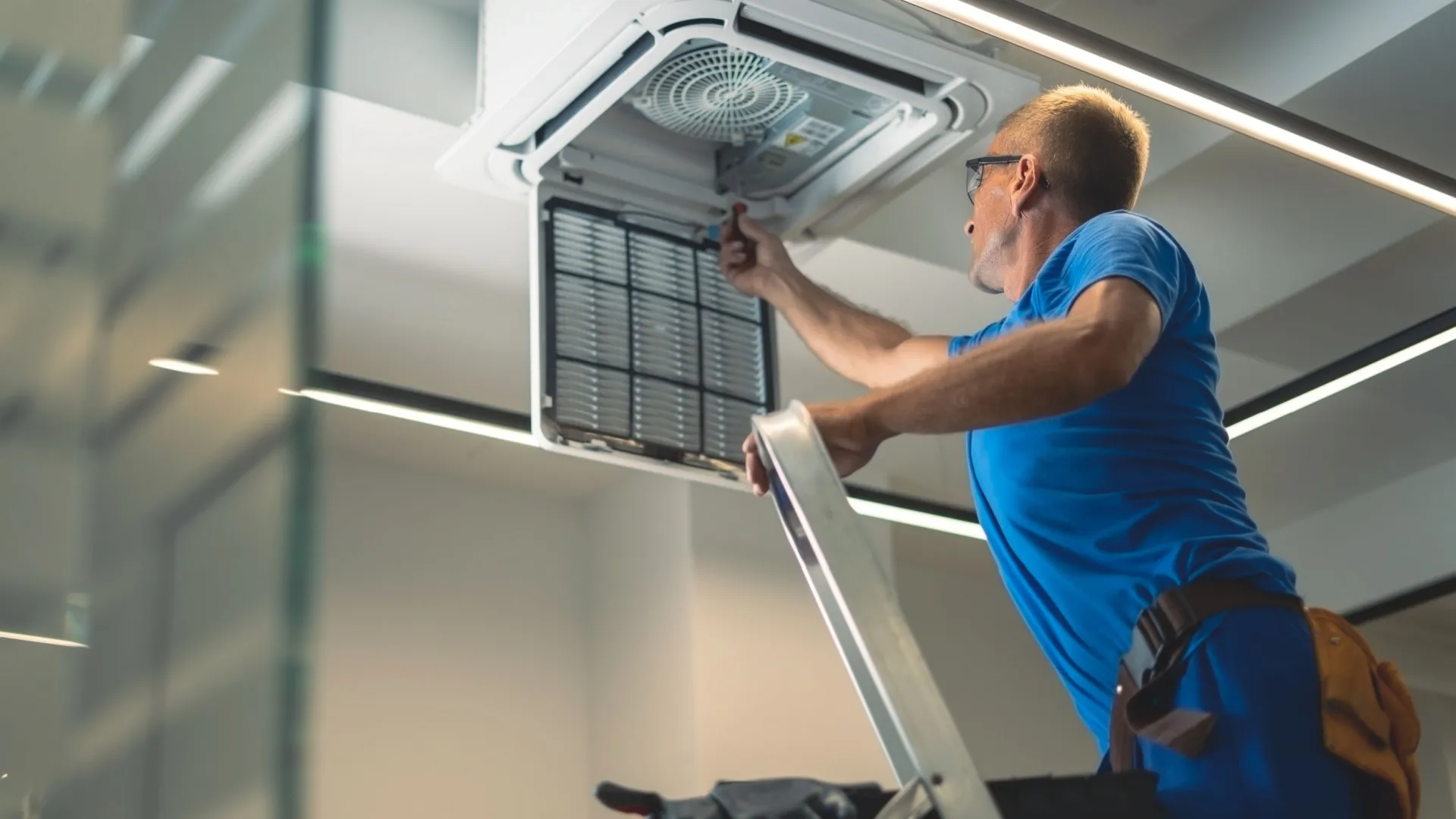
With rapid technological advancements and shifting market demands, HVAC contractors must adapt to stay competitive. Here’s how to ensure long-term business success.
Staying Competitive in the HVAC Industry
The key to future-proofing your business lies in embracing innovation. Contractors who invest in energy-efficient technologies, smart HVAC solutions, and training will remain ahead of industry trends.
Adapting to HVAC Technology Changes
New regulations and sustainable building practices are shaping the future of HVAC. Digital tools, automation, and AI-driven diagnostics are becoming essential for efficient system maintenance and installation.
Best HVAC Investments for the Future
Investing in training, advanced HVAC software, and eco-friendly HVAC solutions will set businesses apart. Certifications in emerging technologies will also become increasingly valuable.
Sustainable HVAC Business Practices
Sustainability is not just a trend—it’s the future. Contractors who offer green HVAC solutions and stay ahead of regulatory changes will have a competitive advantage in the evolving marketplace.
By embracing these strategies, HVAC contractors can position themselves for long-term success in an industry that is continuously evolving.
MORE ARTICLES

The Role of HVAC Systems in Indoor Air Quality: What You Need to Know
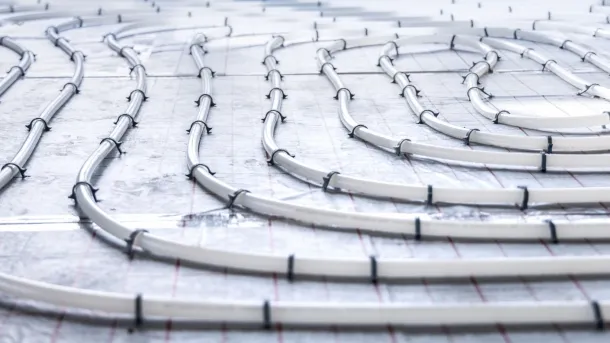
Gas, Electric or Hybrid for HVAC and Hydronic Systems: What to Expect for the Next Five Years
Is Your HVAC Contracting Business Ready for the A2L Refrigerant Transition?
Multiple Locations to Serve You Faster
Pick up the same day.
VAUGHAN
155 New Huntington Rd
Vaughan, Ontario
RICHMOND HILL
100 Granton Dr. #3
Richmond Hill, Ontario
CAMBRIDGE
320 Pinebush Rd, Unit 10
Cambridge, Ontario
BRADFORD
207 Stirling Cres.
Bradford, Ontario